
Walking Through Snow: A Lesson in Emotional Alchemy
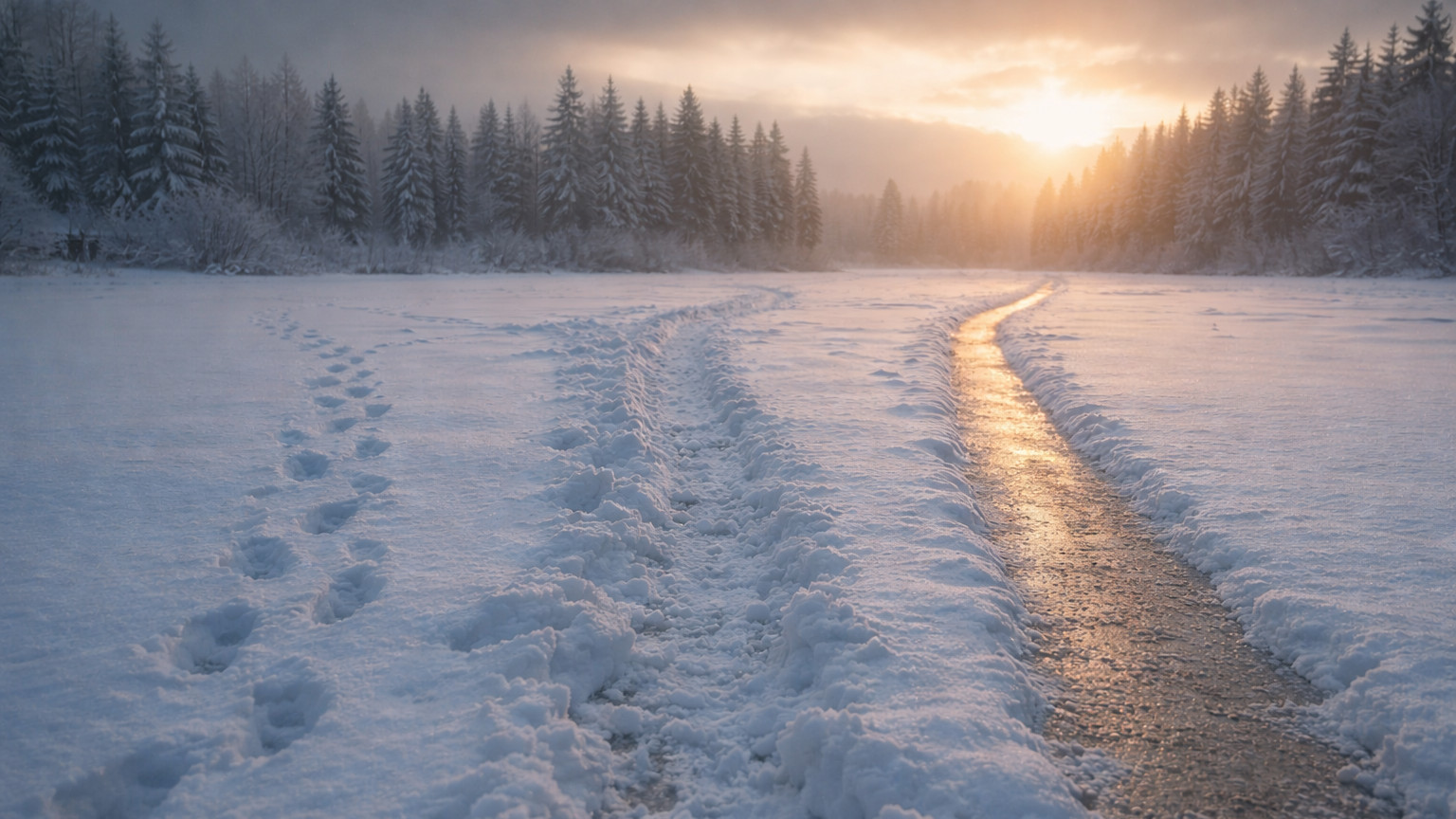
I was walking through fresh snow when I noticed something.
At first, I followed the footsteps already there—the safe path others had carved. Then I got confident and started making my own trail, forging through untouched snow.
But here’s what surprised me: after walking my own path over and over, I slipped anyway. My own footsteps, my own familiar route—it didn’t matter. I still fell.
Lying there in the cold, I finally looked around. And I saw it: a path where the sun had already melted the snow. Clear, easy, waiting.
The Four Stages of Emotional Alchemy
This walk taught me everything about how we transform difficult emotions.
Stage 1: Following the footsteps
We handle our feelings the way we were taught. Suppress the anger. Force the smile. Use someone else’s coping mechanism because we don’t know our own yet.
Stage 2: Making our own path
We discover our way. Journaling. Meditation. Therapy. Movement. We’re actively transforming pain into wisdom, rage into clarity, grief into growth. We’re doing the alchemy’s work.
Stage 3: The slip
Then one day, our method fails. The meditation doesn’t calm us. The journaling feels empty. We fall right back into the pain we thought we’d mastered. This is humbling. This is necessary.
Stage 4: The sun-cleared path
After we fall, we finally stop forcing. We look around. And we discover that some emotions transform themselves. Some healing happens not through our effort, but through time, through grace, through simply allowing what wants to emerge.
The Real Secret
Emotional alchemy isn’t about perfecting a technique. It’s about knowing when to work and when to wait. When to forge ahead and when to find where the light has already done the work for you.
Sometimes the most powerful transformation is the one you stop trying to control.
The slip in the snow wasn’t a failure, it was a feedback. . It was the moment I became receptive enough to see what was already there, already clear, already waiting.
*What path are you walking today? And what might you notice if you paused long enough to look around?*