
The Cost of Always Being the Strong One
The One Everyone Leans On
You’ve been the strong one.
The helper.
The one everyone leans on.
The Quiet Exhaustion of Always Being Needed
There is a particular kind of exhaustion that comes from being the person everyone depends on, the one who listens without interruption, shows up without hesitation, and absorbs emotional weight without complaint.
Over time, strength stops being something you possess and becomes something you perform. Eventually, you’re no longer sure whether you are being resilient or simply unavailable to your own needs.
When Usefulness Becomes Identity
I’ve noticed this in a lot of high-achieving people: without realizing it, they build their sense of self around being useful and always available.
They get very good at giving advice, time, empathy, and solutions. But slowly, they become uncomfortable with receiving anything in return.
Support starts to feel uncomfortable, even intrusive, not because they don’t need it, but because needing help challenges the version of themselves they’ve relied on to get by.
Independence as Armor
Psychologically, this often looks like avoiding vulnerability.
You keep pushing forward, staying away from situations where you might appear unsure, needy, or exposed. Not because you don’t trust people, but because you’ve learned that being in control feels safer than being close.
Independence turns into armor.
Competence turns into distance.
Why Strength Was Never Meant to Be Solo
But purpose, at its core, was never meant to be carried alone.
Whatever you’re holding, vision, responsibility, calling, ambition, gets heavier when you carry it by yourself. The idea that you should be fully self-sufficient eventually breaks down, because no meaningful work can be sustained by one person alone.
Refusing support doesn’t make you stronger; it makes you fragile.
The cost shows up slowly:
emotional exhaustion,
quiet loneliness,
relationships that stay at a distance instead of truly connecting.
Strength isn’t about being untouched.
It’s about knowing when to let yourself be supported.
Redefining What Real Strength Looks Like
Allowing support doesn’t mean giving up responsibility or competence. It means having the wisdom to notice when independence has turned into isolation.
Real strength grows when it learns how to rest with others.
To lean when needed.
To accept reinforcement.
Because You’re Human, Not Weak
You’re not meant to be held because you’re weak.
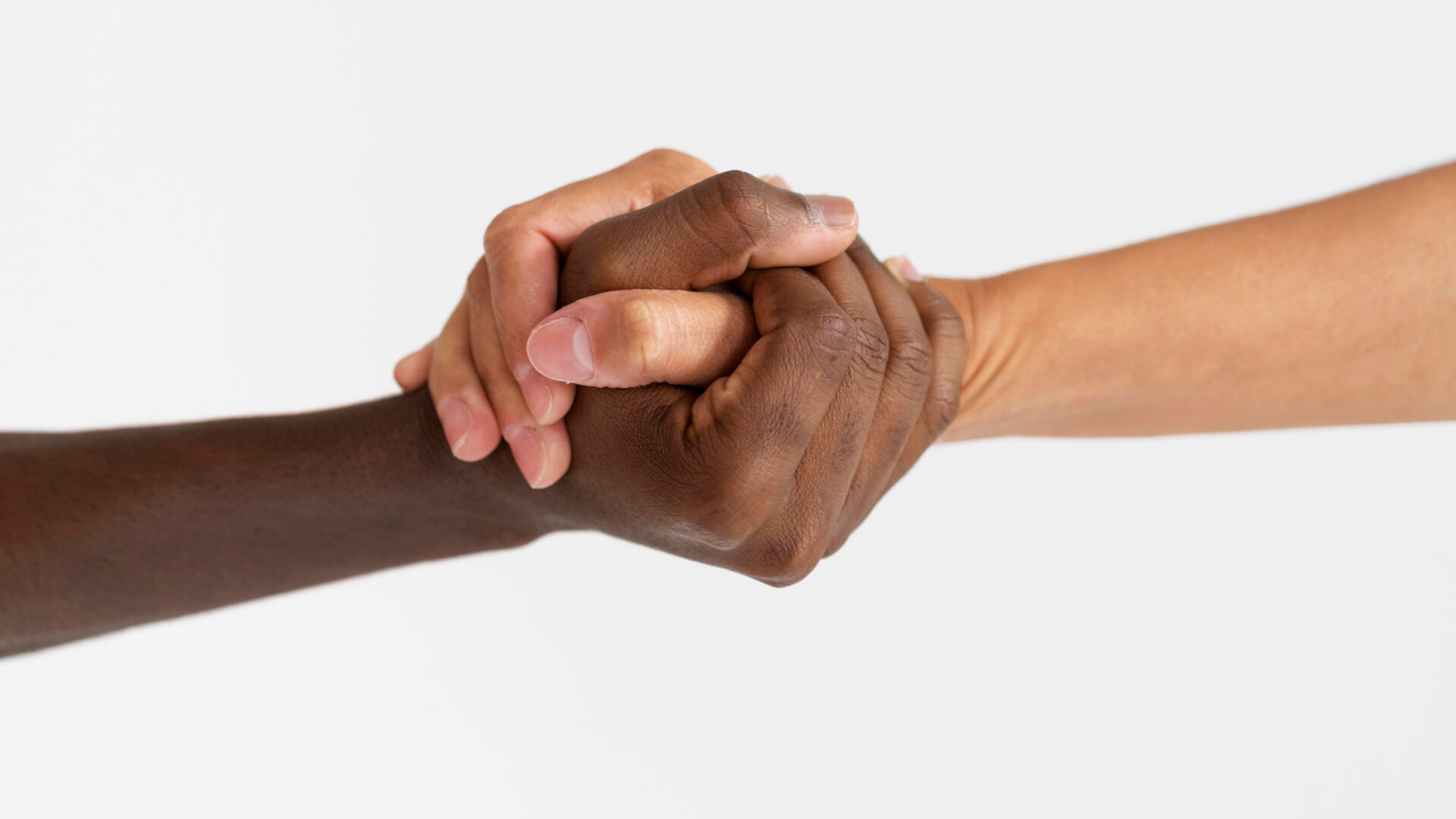
You’re meant to be held because you’re human.
And strength that knows how to lean
is strength that lasts.
A Small Challenge for This Week
So this week, I’m challenging you to let support touch your life in one of these three ways:
Physical touch
Ask someone for a hug.
Don’t wait for them to offer.
You ask.
Emotional touch
Tell one person:
“I need support with ____.”
Don’t downplay it.
Don’t explain it away.
Just ask.
Spiritual touch
Every morning, place your hand on your heart and say:
“I am supported by forces seen and unseen.
I don’t have to do this alone.”
Choose the one that scares you the most.
That’s where the breakthrough is.